About us: who works here
Gripyaxa is a recording studio in Berlin for interview recordings, voice recordings, and TV-related productions. What sets us apart from a pure technology provider is our editorial background: We know the requirements of newsrooms, corporate communications, and podcast productions from practical experience. This page describes who is behind the studio and what we hold ourselves accountable to.
Kastanienallee 42 · 10435 Berlin · Interview · Voice recording · TV production
GDPR-compliant processing · Data processing agreement upon request
How the studio was created
The studio was built because many productions in Berlin fail due to a recurring problem: there are rooms, but they are either acoustically unsuitable or not equipped for image productions. From this gap arose the approach to build a room for the spoken word that also works when a camera is involved.
Today, the studio is focused on two use cases: interview recording and TV-related production. Both share the same requirement for a quiet base sound; only the setups differ. For voice recordings, a reduced setup is sufficient; as soon as camera, lighting, and approval processes are added, the lead time increases. We clarify this distinction in the first conversation so that no one realizes too late what an appointment really requires.
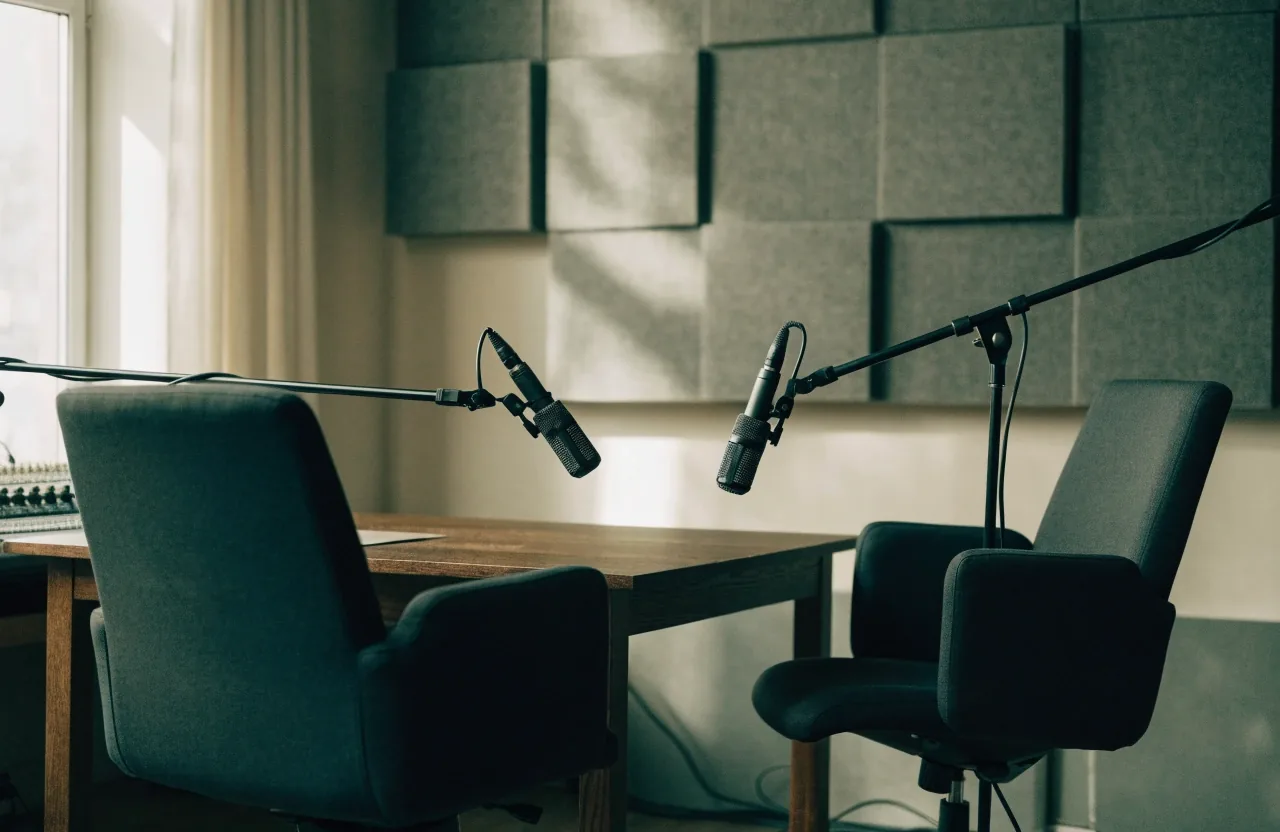
You can inquire about the setup before booking: which microphone configuration we suggest, whether a second speaking position is necessary, whether a green screen or lighting setup is added, and how much lead time the room needs between two appointments.
The Team
Who works with us
People with experience in recording, directing, and production coordination work in the studio. This means that we not only operate technology but also understand processes. When a team arrives for the first time, we take over the structure so that the participants can concentrate on the content.
For more complex productions with approvals or remote connections, we ensure that administrative points do not arise on the day of the shoot. We clarify beforehand who gives the approval, who is listening in, and when material may leave the studio. On the day of the recording, only the conversation remains.
- Recording and microphone configuration
- Direction and conversation management
- Production coordination
- Approvals and data storage
Our understanding of quality
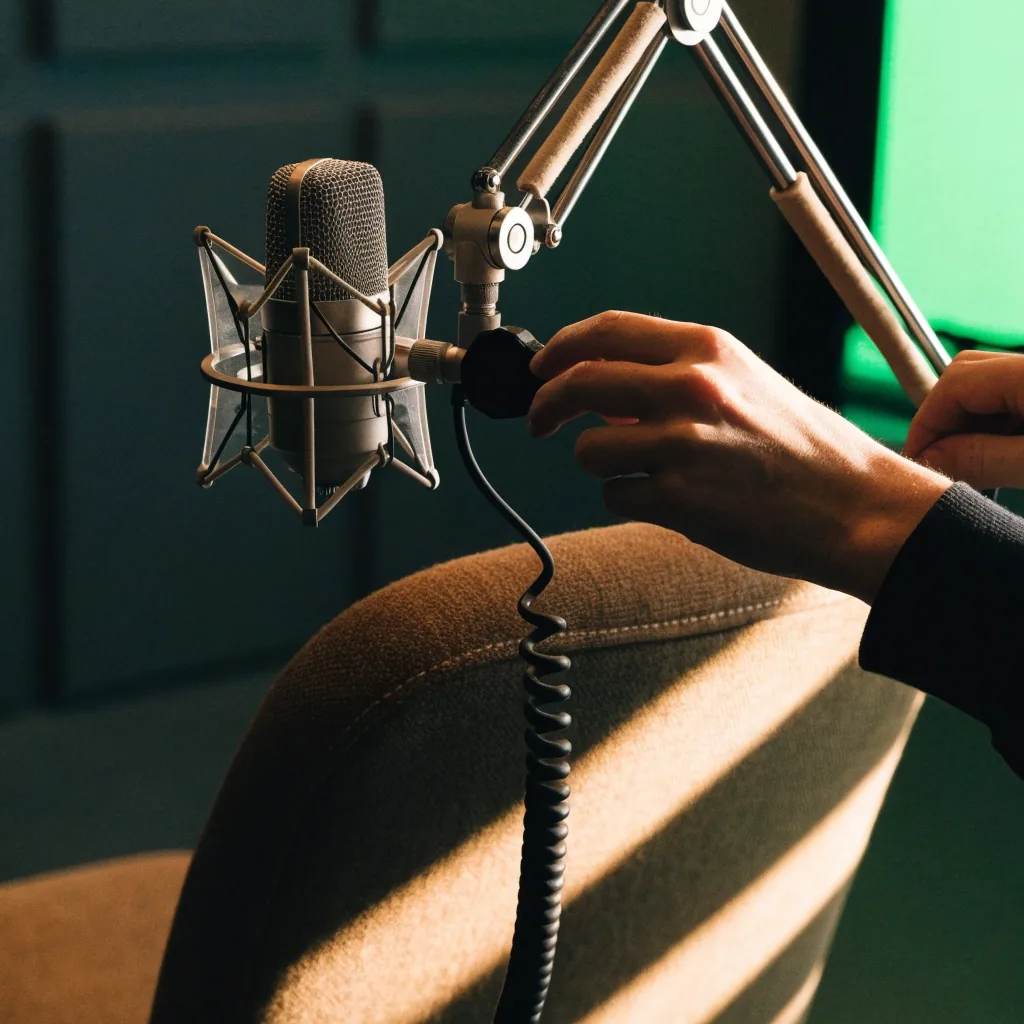
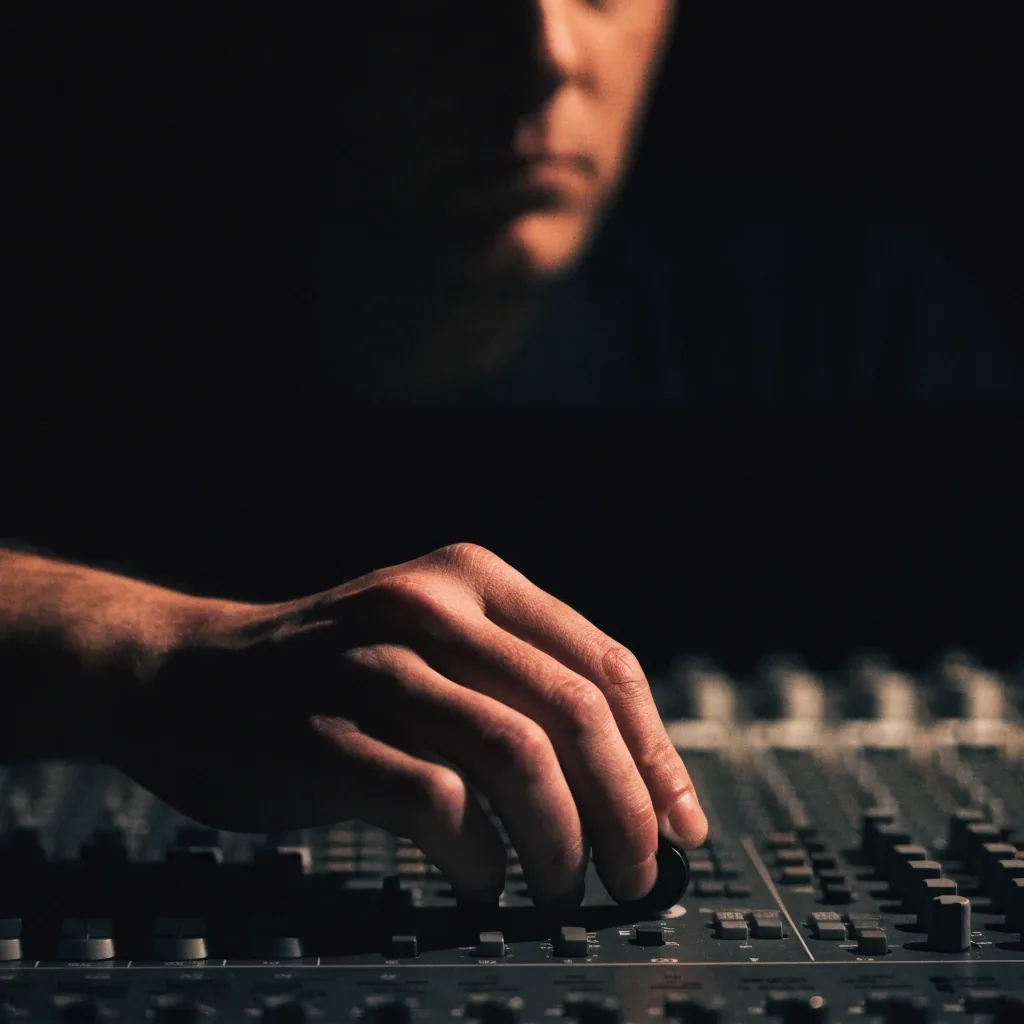
For us, 'broadcast-ready' is not a marketing term, but a work requirement. A recording that has to be post-processed because the room echoes or the ventilation hums is not at the quality level that an interview deserves.
Room check
We regularly check the room for reverberation and background noise before clients arrive. Anomalies are corrected, not cut out. Ask about this if reference recordings from the room help you.
before every productionEquipment maintenance
We keep microphones and preamplification in order and replace cables and suspensions before they become audible in the take. A failure on the day of the shoot is more expensive than maintenance in advance.
ongoingSetup planning
We plan setups in advance instead of improvising on the day of the shoot: speaking position, camera axis, lighting, and space for the approval process. What is planned costs less time during the appointment.
agreed in advanceAcceptance in the take
Ideally, the take is already finished in the room and only needs cutting and leveling later. Corrections are possible, but no substitute for a clean base sound.
Target stateYou can inquire about these points before booking. If a question remains open, it is usually clarified in a few minutes on the phone.
Editorial view of interviews
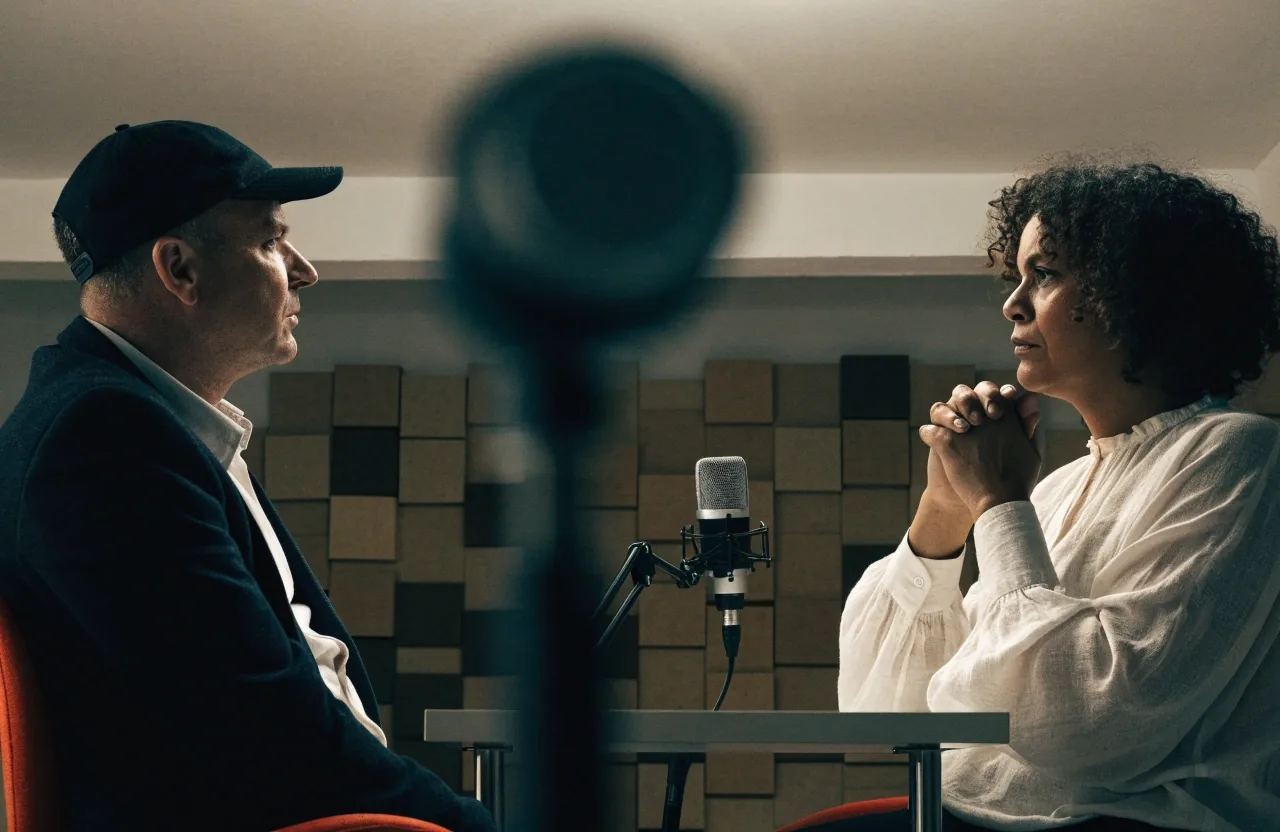
An interview is not just a recording, but a conversation with a message. Those who know the guest know when to ask more precisely and when a pause carries more weight than the next question. This assessment helps with editing and scheduling.
We do not interfere with the editorial line, but we ensure that the process allows for a conversation. If a production needs a specific dramaturgy, tell us, and we will plan the recording and pauses accordingly.
For soundbite sequences, we determine whether cutaways, breaks for setup changes, or cues for post-processing should be considered. This costs a few minutes on the day of the shoot and saves significantly more in post-production.
Data protection
Data protection as part of the work
Interviews involve personal data. We treat the recordings and the associated data so that third parties have no access. Upon request, we will sign a data processing agreement before the project begins. For sensitive topics, we clarify who gives the approval and when material may leave the studio.
These points are part of production planning, not an afterthought. If your company has its own requirements, bring them with you: where raw material may be stored, who gets access, and how long recordings are kept can be recorded before the first appointment.
What we are good at and where our limits are
These limits are an honest part of the assessment so that no project ends up in the wrong setting. If we are not a fit, we will say so in the first conversation rather than on the day of the shoot.
Fits us
- Interviews, statements, and conversation formats with one or two speaking positions
- Voice recordings, voiceovers, and post-synchronization with a quiet conversation atmosphere
- TV-related productions with a camera in the room, cutaways, and approval rounds
- Podcast recordings and recurring formats where microphone settings should remain the same
We are not the right address for this
- Large scene sets, outdoor shoots, and productions with many changing sets
- Stage productions with an audience and live mixing for a crowd
- Recordings requiring high reverberation, where a dry room is a hindrance
- Formats that require music and multi-track instruments rather than speech
How we handle feedback
After a shoot, we usually ask briefly how it went. If a detail in the process was disruptive, it can be planned better for the next appointment. Feedback from practice is the only reason why a setup improves over time.
For recurring productions, we go through the points before the next booking. Small things like the location of the coffee machine, a second chair for approval, or an earlier break time otherwise crop up every time. Anyone who travels here regularly notices the difference quickly.
Availability and dedicated contact persons
For ongoing projects, there are dedicated contact persons so that queries do not pass through many hands. If you are arriving with a larger team, please clarify this in advance so that the room can be prepared accordingly.
- Address
- Gripyaxa Tonstudio Berlin
Kastanienallee 42
10435 Berlin - Available
- Monday to Friday: 09:00–18:00
+49 30 12345678
The email address for inquiries can be found on the contact page. There, you will also receive an estimate of the effort required before an appointment is bindingly booked.
Frequently asked questions about working together
Which clients do you work with?
Predominantly with editorial offices, corporate communications, podcast teams, and independent producers. We only name clients if we have their permission. If you want to have your project assessed in advance, describe it in two sentences, and we will tell you if it is a good fit.
Is there a minimum budget?
Prices depend on the type of project, duration, and technical requirements. Since these factors vary per project, we clarify them during the inquiry. You will receive feedback on the process and an estimate of the effort required before an appointment is bindingly booked.
How far in advance should I inquire?
For simple recordings, a short lead time is usually sufficient. For TV-related productions with setup, green screen, or data processing agreements (AVV), a longer lead time is advisable. Please state your preferred timeframe in your inquiry, and we will tell you if it is realistic.